
Office Coffee Service in Dallas & Surrounding Areas
Office coffee should be straightforward to manage. Vending Source helps Dallas-area workplaces choose brewers, plan coffee and supply purchases, and organize replenishment. Start with your daily attendance, drinking habits, and breakroom space to build a program that fits how your office actually operates.
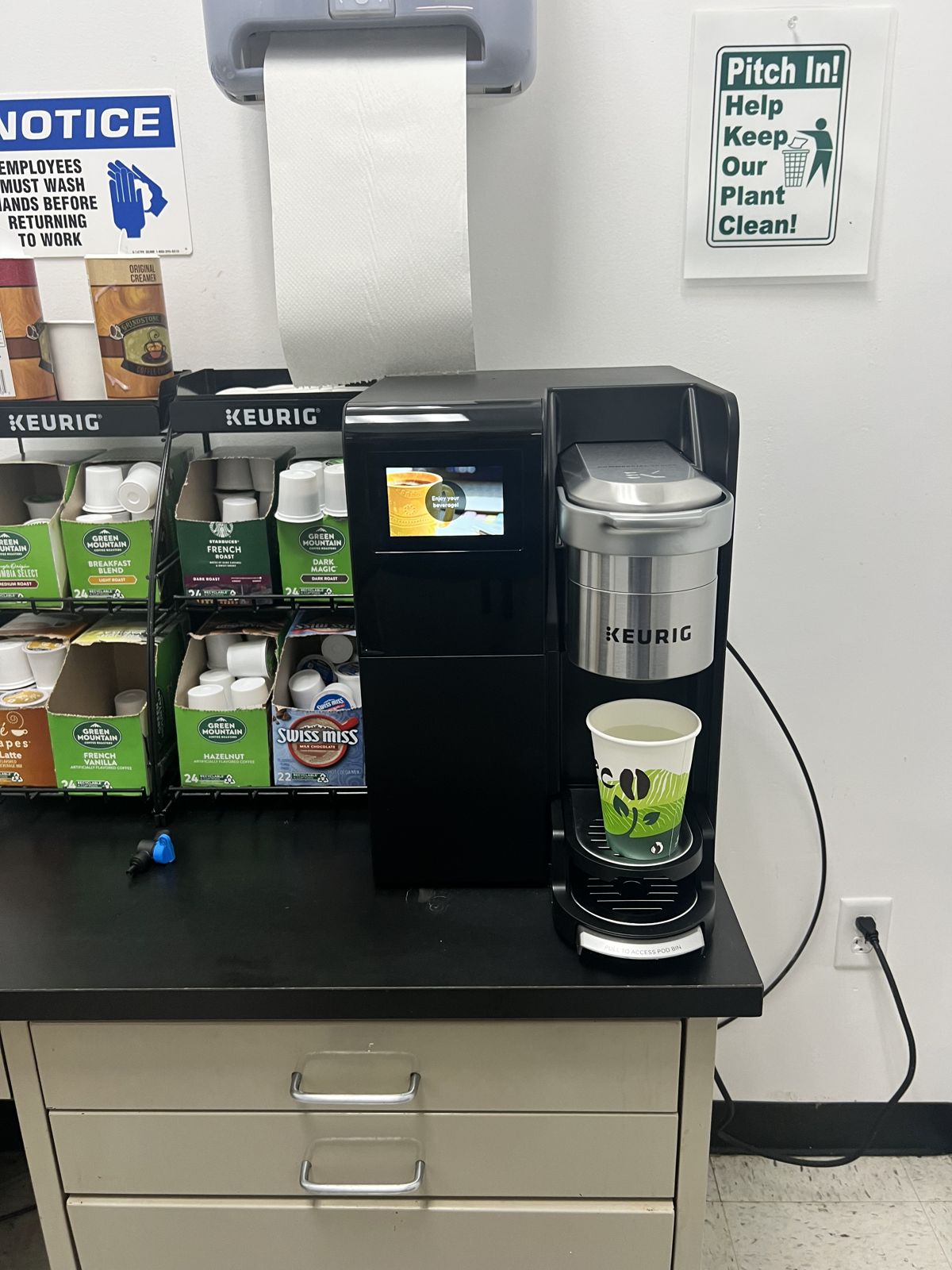
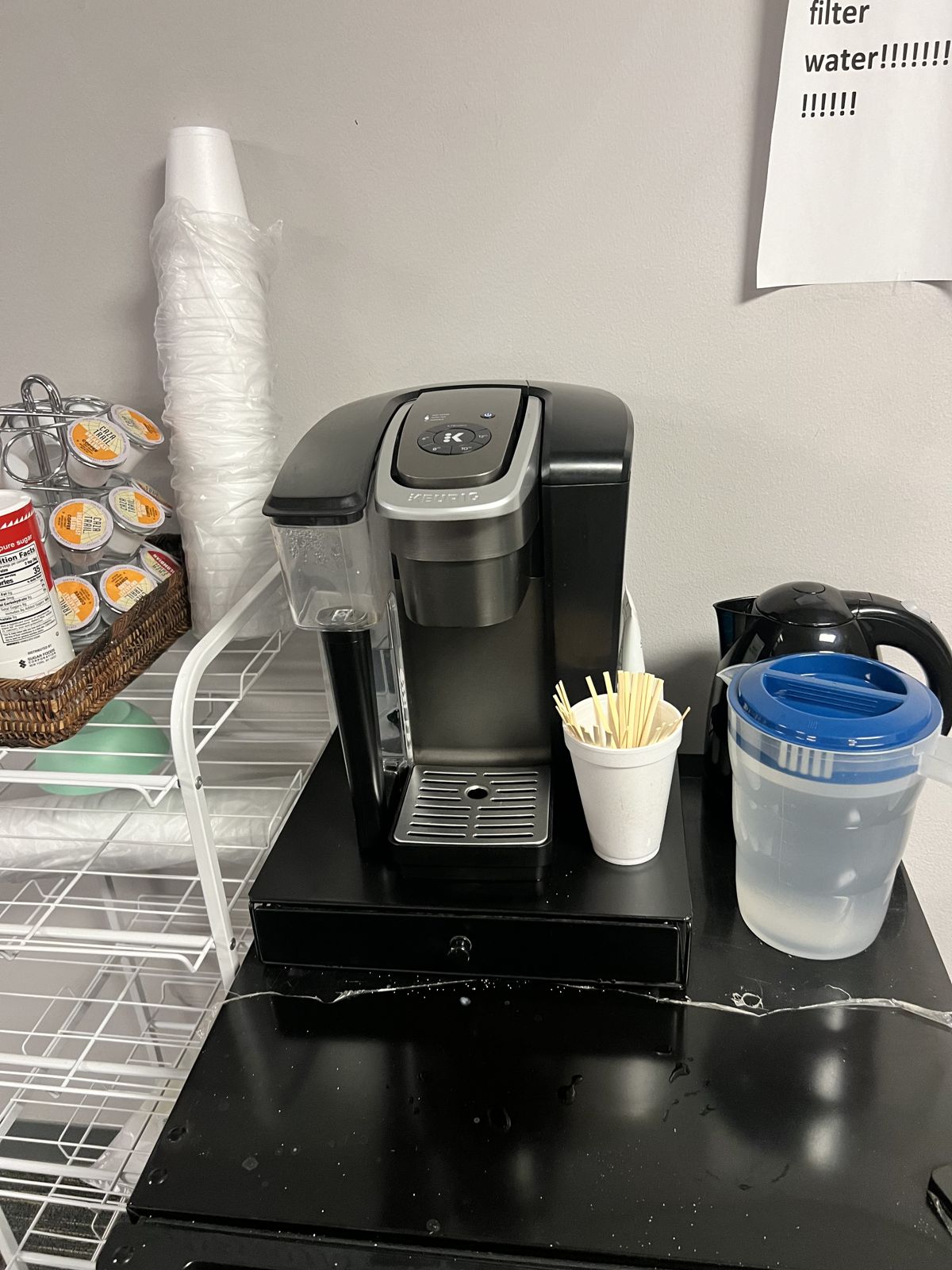
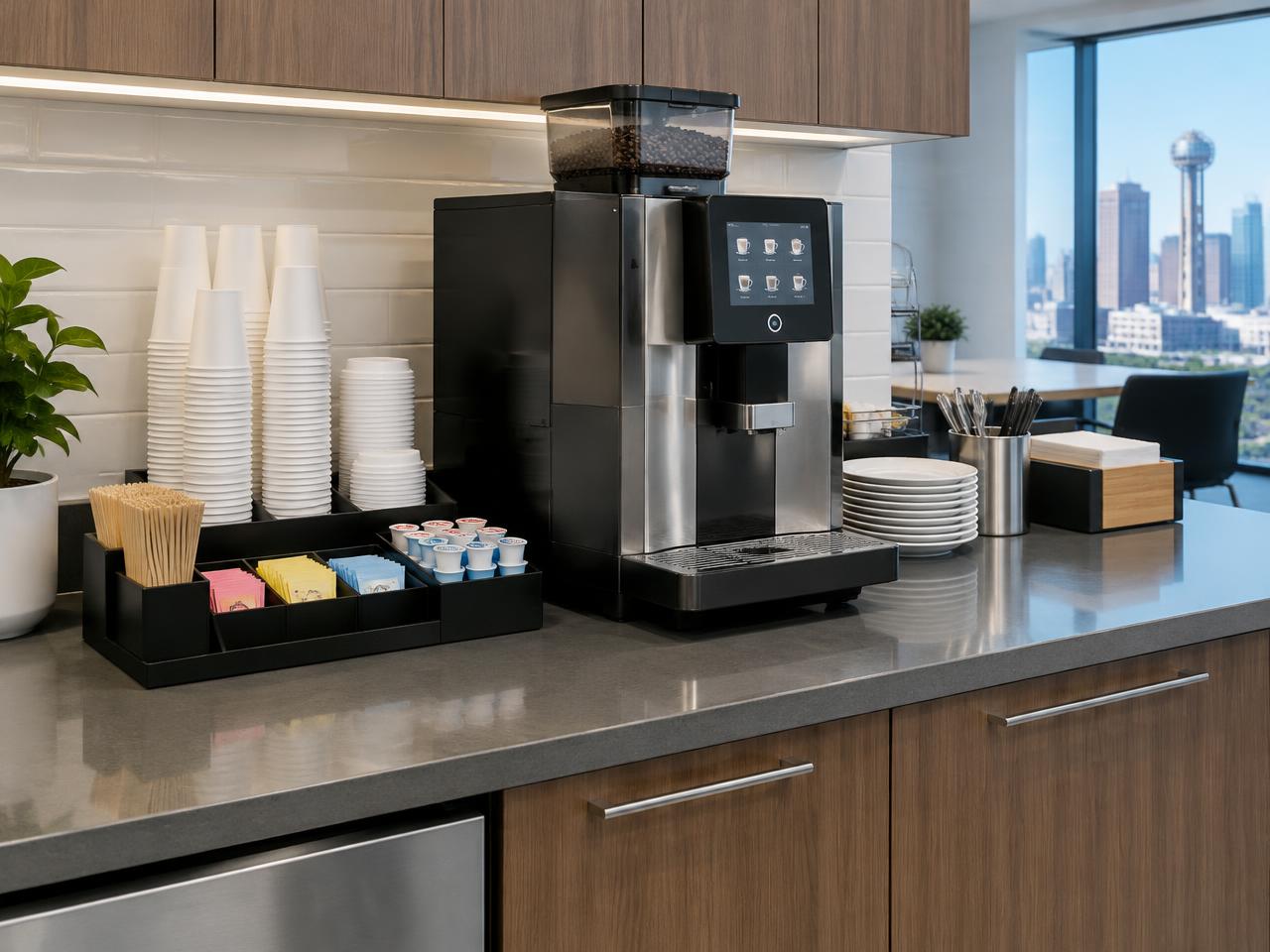
Equipment, coffee, and practical supply support
Brewers matched to daily use
Compare single-cup, bean-to-cup, and traditional commercial brewers with your team’s preferences and consumption. The right setup accounts for busy periods, available counter space, and the person responsible for daily care.
Coffee and breakroom essentials
Purchase coffee, tea, cups, lids, creamers, sweeteners, and other additives through the program. Utensils and plates are also available, helping an office manager coordinate more of the supplies used throughout the breakroom.
Local program planning
Work with a family-owned company with more than 30 years of experience. Discuss equipment eligibility, supply ordering, delivery access, and service responsibilities before selecting a coffee arrangement for your workplace.
Find the right brewer for your office
Compare equipment, coffee choices, and supply purchasing with our local team.
Start with what your office uses each day
A useful coffee plan begins with a few practical questions. How many people are on site, when do they arrive, and what do they drink? Hybrid attendance and meeting schedules can matter more than total headcount. Existing purchase records, empty-cup counts, or feedback from employees can provide a starting point.
Vending Source is based at 6562 Michael Talty Ave, Terrell, TX, in Kaufman County. Our family-owned workplace refreshment company helps offices evaluate equipment and recurring supplies together. Instead of choosing a machine first and solving purchasing later, outline the whole program before installation.
- Single-cup, bean-to-cup, and traditional brewers
- Coffee and tea purchasing
- Cups, lids, and serving supplies
- Delivery and ordering coordination
- Equipment terms reviewed before approval
Compare three commercial coffee brewing approaches
Single-cup equipment can suit an office where individual preferences vary or attendance changes throughout the week. Bean-to-cup equipment prepares coffee from whole beans and may appeal to teams that prefer that brewing approach. Traditional brewers make batches, which can be practical when several people want coffee during the same period.
No brewing format is universally best. Compare the actual workflow, required cleaning, refill responsibilities, and expected consumption before deciding. Our team can discuss which configurations are available and appropriate, including the space and utility requirements of the proposed equipment. Avoid selecting capacity from employee count alone when arrivals and beverage habits vary significantly.
| Format | Useful when | Planning considerations |
|---|---|---|
| Single-cup | People want individual servings and choices | Per-serving supplies, disposal, and peak-time demand |
| Bean-to-cup | The team prefers whole-bean preparation | Bean storage, refilling, cleaning, and utility needs |
| Traditional commercial brewer | Several cups are needed together | Batch size, serving periods, and leftover coffee |
Understand equipment terms and recurring purchases
Coffee and supplies are purchased; an office coffee program is not a promise of unlimited free drinks. For qualifying locations, equipment, installation, stocking, cleaning, and repairs are provided free, with revenue coming from product sales. Qualification and the equipment arrangement must be confirmed for your location before you approve the program.
Ask for a clear explanation of which coffee, tea, and supply purchases support the proposed setup. Discuss expected ordering volume, what service covers, and any responsibilities retained by your office. There are no long-term contracts. Since consumption and product choices differ, request a site-specific proposal rather than relying on an invented per-cup estimate or a generic monthly figure.
- Confirm whether the location qualifies
- Review the proposed brewer and service scope
- Identify coffee and supply purchasing responsibilities
- Ask how changes in consumption affect the plan
Choose a program by attendance, consumption, and preference
Free service. No upfront cost.
Installation, stocking and repairs are on us.
A small office with occasional coffee drinkers may need a different arrangement from a similarly sized team hosting frequent meetings. A larger location may have several separate breakrooms rather than one busy counter. Estimate cups consumed during a typical day and during busy periods, then describe where that demand occurs.
Preferences matter alongside volume. Ask whether employees want individual choices, whole-bean coffee, familiar batch brewing, or tea as an alternative. Note any requests for different creamers or sweeteners without assuming every option is available. The objective is a manageable assortment that people use, with enough flexibility to adjust after you see actual consumption.
Count regular users
Use daily attendance and the number of likely coffee drinkers as your baseline. Account for visitors and recurring meetings separately instead of treating every employee as an identical consumer.
Map busy periods
Describe morning arrivals, scheduled breaks, and meeting-room demand. Brewing speed and counter access should match the busiest periods, not just the average number of drinks across the day.
Keep selection manageable
Start with preferences your team can clearly identify. A focused selection makes storage and reordering easier, especially when one office manager handles coffee alongside other facilities responsibilities.
Coordinate delivery, ordering, and restocking before launch
Agree on the ordering process before the first delivery. Identify who can request coffee and supplies, what information an order should include, and how delivery access will work. Building security, loading areas, receiving hours, and available storage all affect a sensible replenishment plan. Confirm the proposed delivery schedule directly rather than assuming a universal frequency.
Set an internal reorder point for frequently used items, particularly cups, coffee, and creamers. Review whether restocking includes putting products into storage, refilling designated areas, or another agreed arrangement. Let the service team know about office closures, attendance changes, or large meetings early. These details help prevent unnecessary deliveries and gaps between orders.
- Assign a primary ordering contact and backup
- Identify receiving and storage locations
- Confirm delivery and replenishment responsibilities
- Report changes before the next planned order
- Keep equipment issue reporting separate from routine supply requests
Include the supplies that make the station usable
A brewer is only part of a functioning coffee station. Cups and compatible lids need adequate storage, while creamers, sweeteners, and other additives should be easy to locate. Tea gives non-coffee drinkers another option. Discuss available products and packaging before ordering, particularly where your office has specific storage or disposal requirements.
Vending Source also sells utensils and plates, allowing you to include more everyday breakroom staples in the purchasing conversation. Review the workplace product selection alongside your coffee needs. Decide which items belong at the brewing counter and which should stay in a supply cabinet, then assign someone to flag low stock between deliveries.
Combine coffee with vending or a micro market
Free service. No upfront cost.
Installation, stocking and repairs are on us.
Coffee service can operate alongside office vending machines for packaged snacks and cold drinks. Keep the programs distinct when reviewing costs: employer-purchased coffee supplies and employee vending purchases serve different purposes. Planning both at once can help identify where equipment, storage, and walking routes might compete for the same breakroom space.
A workplace with suitable space and around 50 or more employees may also consider a self-service micro market. Eligibility depends on more than headcount, including attendance and access. Explain whether your goal is coffee alone, a few snack choices, or a broader food area so the recommendation addresses the actual need without adding unnecessary equipment.
Local coffee planning for Dallas and surrounding offices
We prioritize Dallas, Terrell, Forney, Mesquite, Kaufman, Crandall, and Garland when discussing local workplace service. An office in Garland may have different receiving restrictions from a Terrell business, while a Dallas location may need coordination with building management. Share the address and access details when asking about delivery and equipment support.
Explore Dallas office coffee service or Forney office coffee programs for local planning information. For other nearby locations, review our refreshment service areas and confirm coverage directly. The next useful step is a conversation about daily use, equipment needs, supply purchases, and who will oversee the program at your site.
From first call to a stocked machine
- 01
Tell us about your site
Share your headcount, hours and the space you have in mind.
- 02
Free site visit
We confirm the location qualifies and recommend the right equipment.
- 03
Installation
We deliver, set up and stock everything at no cost to qualifying locations.
- 04
Ongoing service
Restocking, cleaning, refunds and repairs are handled by our local team.
Serving Dallas & surrounding areas
Our routes run out of Terrell and cover these priority cities plus nearby communities.
Frequently asked questions
Is coffee included free with the equipment?
Coffee, tea, and breakroom supplies are purchased. Free equipment and related service are available for qualifying locations, not every office automatically. Ask which purchases support the proposed equipment arrangement and what is included in service so your budget reflects the full program rather than the brewer alone.
How do we select equipment for a hybrid office?
Use typical on-site attendance and busy-day demand instead of total payroll. Share how schedules vary and whether meetings bring additional users. A program should account for those changes, with equipment and supply quantities that fit actual drinking habits rather than leaving large amounts of coffee unused.
Who handles daily brewer care?
Clarify daily tasks during setup. Equipment cleaning and repair support for qualifying locations does not remove the need to agree on routine user responsibilities, such as keeping the counter tidy or reporting a problem. Ask which tasks apply to the selected brewer and who should perform them.
Can we order plates and utensils with coffee supplies?
Yes. Plates and utensils are sold along with coffee, tea, cups, lids, creamers, sweeteners, and other additives. Discuss your preferred assortment and ordering needs before launch. Include these staples in your storage plan and reorder checklist so the coffee counter is not the only area being monitored.
What should an office manager prepare for a proposal?
Gather daily attendance, estimated consumption, preferred brewing styles, available counter space, and delivery access details. Note your current supply purchases if possible. Then [request an office coffee consultation](/contact) or call (972) 287-5856 to review equipment eligibility, purchasing arrangements, and next steps for your location.
Build your office coffee program
Call (972) 287-5856 to discuss brewers, delivery arrangements, and breakroom supply needs.
Vending Source
6562 Michael Talty Ave, Terrell, TX 75160
Serving Dallas, Terrell, Forney, Mesquite, Kaufman, Crandall, Garland and surrounding areas.